
When Is the Best Time to Climb Peaks in Nepal: Spring, Autumn, Winter or Monsoon?
Table of Contents
Introduction
A Himalayan mountaineering expedition is a life changing thing, but the timing of your ascent is absolutely everything. Getting the timing wrong can see you up against some of the most vicious gales, some of the deepest snow and potentially a completely cancelled domestic flight which will effectively kill your entire expedition. When you’re planning your Nepal climbing you’ll often be asked the question: when is the best time to climb peaks in Nepal? That’s where we at Explore Himalaya Travel and Adventure come in. We help you make the right decisions.
Whether you’re looking at a walk up trekking peak or a semi technical alpine climb for the 2027 season, the timing of the year is absolutely critical to your safety.
Quick Answer: When to Go
For the majority of climbers the ideal Nepal climbing season is in the pre-monsoon spring (March to May) and the post-monsoon autumn (September to November), with October being the absolute peak month.
| Season | Months | Best For | Main Risk |
| Spring | Late March – May | Warmer days, blooming flora, Everest window | Afternoon clouds, winter snow accumulation |
| Autumn | Late Sept – Nov | Clearest skies, stable weather, firm ice | Crowded routes, dropping November temperatures |
| Winter | Dec – February | Solitude, crystal-clear skies | Extreme cold, high winds, closed tea houses |
| Monsoon | June – Sept | Lush valleys, total isolation | Heavy rain, leeches, blocked flights, high avalanche risk |
Himalayan Weather Patterns and the Jet Stream
To understand Himalayan weather patterns you’ve got to look at the upper atmosphere. For the bulk of the year the subtropical jet stream is right over the Himalayan summits and produces hurricane force winds which make it impossible for a human to survive above 7,000 m.
In spring the jet stream weakens and moves north, creating a series of narrow weather windows for high altitude ascents. Spring is followed by the moisture-laden summer monsoon coming in from the Bay of Bengal. There’s a second, shorter and less reliable window in the post-monsoon autumn as the rains stop.
The East-West Rule: as a general rule for the climber, spring is better on the eastern Himalaya (Everest, Mera etc) and autumn is generally more stable on the western giants and the drier rain shadow areas.
Best Time to Trek in Nepal: A Complete Guide
Spring Climbing Season: March to May
The spring climbing season is absolutely alive with energy. The Khumbu is absolutely alive with Everest expeditions and the base camp tents are popping up all over the glaciers like little colored mushrooms.
- Weather & Temperatures: The days are getting progressively warmer and the morning skies are often clear. Afternoon convective cloud build up is the norm.
- Snow & Hazards: There’s still some winter snow accumulation which will require trail breaking and brings with it early season avalanche risk on the higher slopes.
- Peak Strategy: March is ideal for peaks under 6,000 m. By May you’re looking at warming temperatures and building afternoon clouds which will require pre-dawn alpine start times.
Autumn Climbing Season: Late September to November
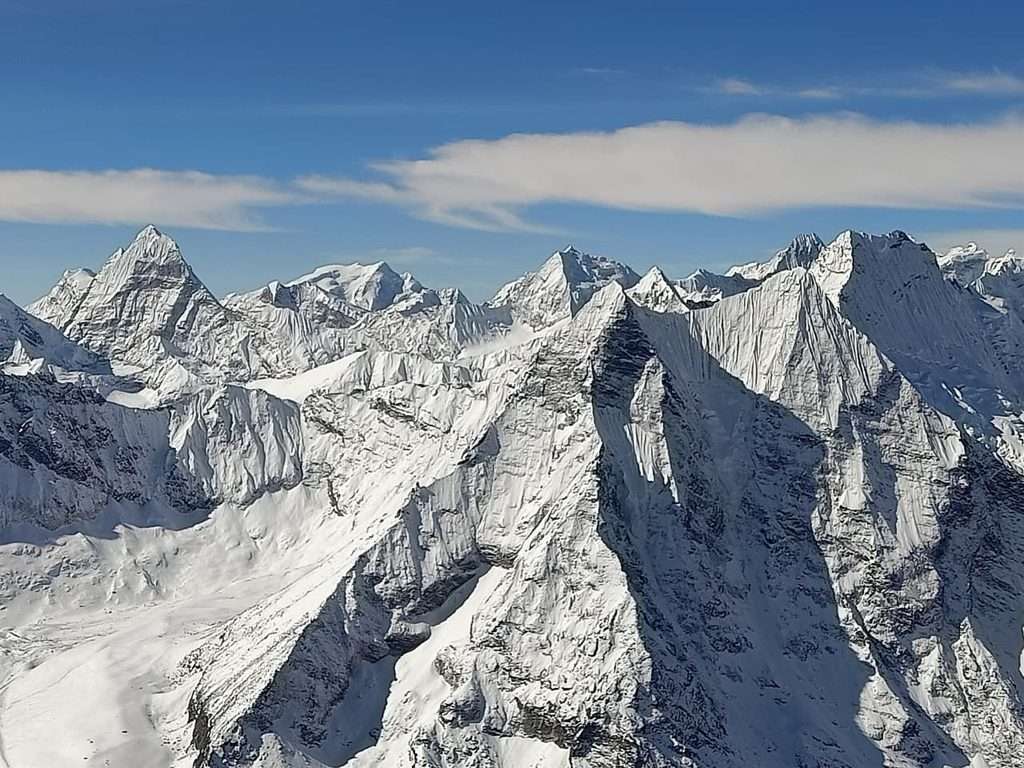
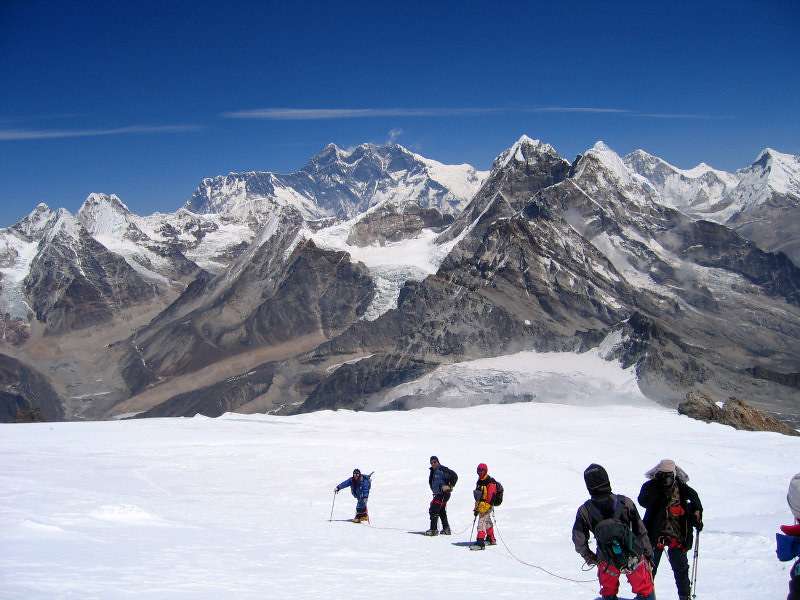
The autumn climbing season is widely regarded as the highlight of Himalayan climbing. After the monsoon, the air is completely clear and the visibility is absolutely superb.
- Stability: October is by far the most stable month with firm snow and very stable glacier conditions.
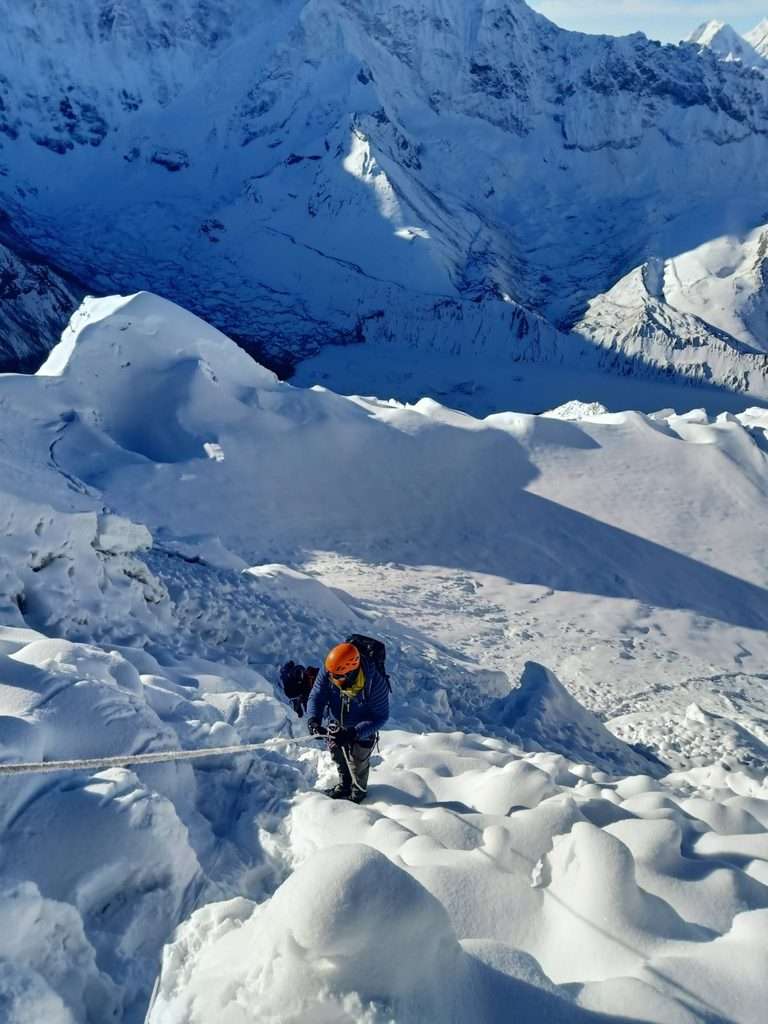
- Late Season Shift: By late November the slopes are all hard headwall ice (particularly the island peak) and the winds pick up quite a bit.
- Cultural Vibrancy: This season is also the season of the major festivals (Dashain and Tihar) so there’s a real cultural feel to it.
- Regional Highlights: The peaks of Pisang Peak and Chulu Far East are well within the Annapurna rain shadow and are therefore excellent choices for autumn.
Winter Climbing Conditions: December to February
Winter climbing conditions are a real test of the mountaineer. As the jet stream drops back over the peaks the temps are well below freezing and it’s a very nasty wind.
- Pros: The skies are often absolutely magnificent, a clear blue and cloudless heaven. The trails are pretty much empty.
- Cons: the teahouses along the higher approaches may be closed and you’d be completely on your own with no facilities at all (i.e. you’d need to be fully self-sufficient and have all the camping gear). Only very experienced mountaineers should attempt the winter ascents of peaks such as Yala Peak.
Monsoon Season: June to August
The monsoon season (roughly June through to early October) brings heavy rain, thick valley fog, swollen rivers, landslides and of course the leeches.
- Flight Disruption: Mountain flights into Lukla or Phaplu are very frequently cancelled.
- Safety: High avalanche risk and the constant wetting makes technical climbing very dangerous. Rather than the high peaks, the trekkers are looking at the rain shadow areas such as Upper Mustang and Dolpo.
Month-by-Month Calendar Overview
| Month | Verdict | Key Note |
| January | Avoid / Extreme | Bitter cold, jet stream winds, deep snow above high camp. |
| February | Avoid / Extreme | Short daylight hours, severe alpine cold. |
| March | Good | Start of spring; great for lower trekking peaks. |
| April | Best | Stable weather, blooming rhododendrons, active base camps. |
| May | Best | Prime summit day window for major expeditions before monsoon. |
| June | Avoid | Monsoon onset, heavy rain, leeches, blocked flights. |
| July | Avoid | Peak monsoon, wet trails, high avalanche risk. |
| August | Avoid | Continued monsoon rains and cloud cover. |
| September | Good (Late) | Monsoon tapering off; late Sept offers great post-monsoon starts. |
| October | Best | Clear skies, firm snow, peak climbing stability. |
| November | Good | Cold and crisp; icy headwall conditions late in the month. |
| December | Possible | Early winter calm before jet stream winds intensify. |
Best Season for Each Peak
When it comes to working out the best time to climb peaks in Nepal you need to match the mountain you’re after to the calendar. That’s the only way to ensure you’re doing it safely and successfully.
| Peak Name | Region | Height | Best Months | Primary Skills Needed |
| Island Peak (Imja Tse) | Khumbu | 6,189 m | April-May, Oct-Nov | Crampons, Ascender, Fixed Ropes |
| Mera Peak | Khumbu | 6,476 m | April-May, Oct-Nov | Glacier Walking, Walk-up endurance |
| Lobuche East | Khumbu | 6,119 m | April-May, Oct-Nov | Steep Rock & Ice climbing |
| Yala Peak | Langtang | 5,500 m | April-May, Oct-Nov | Basic snow trekking |
| Chulu Far East | Annapurna | 6,059 m | Sept-November | Alpine ridge negotiation |
| Pisang Peak | Annapurna | 6,091 m | Sept-November | Snow ridge walking |
Glacier Conditions Through the Year
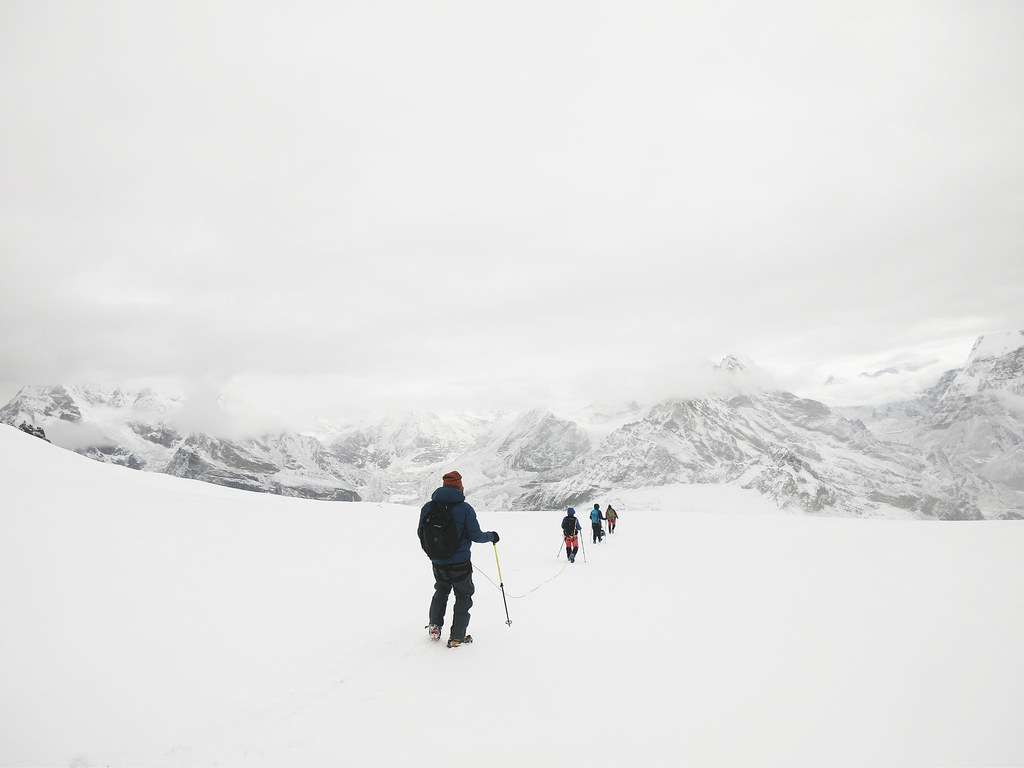
Glacier conditions will dictate how technical gear has to be used. In spring the deep winter snow accumulation will bridge the crevasses and you’ll need to be very careful about trail-breaking and roped team travel. By October the temperatures are stable and the snowpack is firm so it’s a much cleaner navigation. By late November you’re hitting hard blue ice with your ice axe and crampons and you’ll need fixed ropes on the steeper bits of the route, particularly on the Mera glacier approach.
Summit Day and Weather Windows
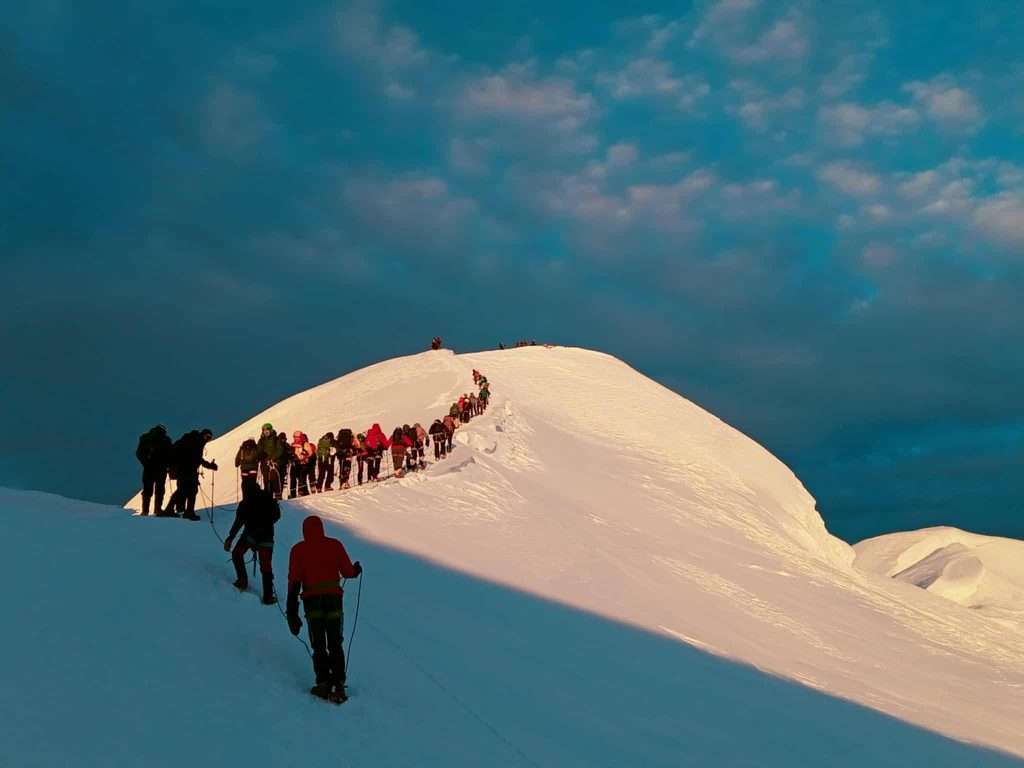
To get to summit day you need sheer discipline. The team will typically do a pre-dawn alpine start (1.00 AM to 3.00 AM) from high camp to get to the top before the afternoon winds and solar radiation come along and destabilise the snow bridges.
Climbing Permits and Seasonal Fees
Obtaining the correct climbing permits is a mandatory legal requirement and is the responsibility of the Nepal Mountaineering Association (NMA) and the Department of Tourism.
- Fees and Regulations: Spring permit fees are generally higher than autumn fees. A refundable garbage deposit is required for all peak expeditions.
- Mandatory Guides: Government regulations stipulate that you must have a licensed guide for all commercial trekking and climbing routes.
- Conservation Permits: you will need to obtain entry permits in advance through an authorised agency for protected areas such as Sagarmatha National Park and the Annapurna Conservation Area.
Expedition Planning & Safety
Rigorous expedition planning is the key to a successful Himalayan climb. Progressive acclimatization (climb high, sleep low) is absolutely essential to combat acute mountain sickness.
- Secure comprehensive travel insurance with emergency helicopter evacuation cover up to 6,000+ meters.
- Book your international and domestic flights well in advance and allow for weather related buffer days at Lukla or Pokhara.
- Put together a bespoke gear list for Mera Peak or indeed your own mountain.
- Follow a structured training guide, focusing on cardiovascular endurance and strength training over the months prior.
Which Peak for Which Season and Experience Level?
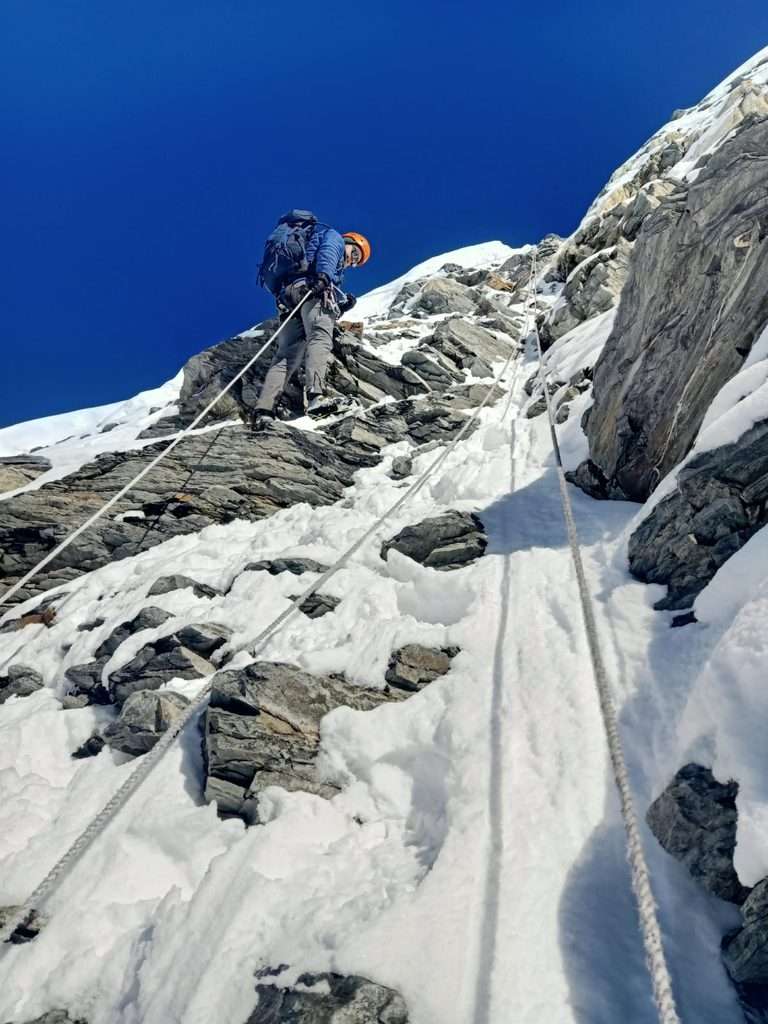
The right mountain to choose will of course depend on your technical ability. The absolute beginner looking for high altitude will typically start with Mera Peak or Yala Peak. Those climbers who are ready for steeper terrain will progress to Island Peak or Lobuche East. Those who prefer the drier autumn weather on the Annapurna side will look at Chulu Far East or Pisang Peak. A number of the more ambitious will go the extra mile and actually climb two peaks on one trip (Mera and Island Peak for instance).
Conclusion
At Explore Himalaya Travel and Adventure we bring together a wealth of Himalayan experience with a very disciplined approach to logistics. We’ve got the know how to get the climbing permits in on time, we’ve got the ability to source the very best licensed guide teams and we can put together itineraries that are absolutely tailored to the requirements of safe acclimatization. It’s all about making the expedition as smooth, safe and ultimately rewarding as possible.
Our trips normally include airport transfers, domestic flights, permit processing, professional guide and porter services, teahouse accommodation and all meals during the trek. International flights, personal gear, personal insurance and guide tips are normally not included.
Ready to be on top of the world? Get in touch with Explore Himalaya Travel and Adventure to put together your ideal Himalayan climbing itinerary.
Always climb with qualified mountain guides, the right kit, proper acclimatization and appropriate high altitude insurance.
Monitor the weather and mountain conditions, adhere to the safety procedures and respect your own capabilities.
The summit is optional, you have to get back safely though.
Frequently Asked Questions
The absolute best time to climb peaks in Nepal is in two seasons: pre-monsoon spring (March to May) and post-monsoon autumn (September to November). Autumn, particularly in October, is a fantastic time with absolutely superb skies, very clean air and the atmosphere is absolutely stable after the monsoon. Spring has the longer days, warmer temperatures and the base camps are absolutely buzzing. Both of those windows are perfect for a safe Nepal climbing season.
Both seasons give very high summit success rates, but the conditions on the ground are very different. Spring (April to May) has the advantage of warmer days, though the snow is rather soft and you have to start very early in the morning if you’re going to get anywhere on the upper slopes. Autumn (October to November) has the firmer, cleaner snowpack on the glacier, but it gets quite cold by late November and the final Island peak headwall becomes a very steep, icy slope which you have to climb with very careful crampon work.
The main windows are April to May and October to November. Autumn is generally regarded as the best window as the post-monsoon clarity provides absolutely crystal clear views of all five of the 8000ers (Everest, Lhotse, Makalu, etc.). Spring is a bit milder and you get the lovely rhododendron forests in bloom on the lower approach trails, though the higher altitude winds can occasionally build up quite early in the day.
Lobuche East in the monsoon (June to August) is absolutely not recommended due to the sheer amount of rain, the risk of hidden crevasses, the high avalanche risk and zero visibility to the summit. Winter climbs (Dec to Feb) are technically feasible but are only for the very experienced, properly equipped team and are essentially a test of endurance in the face of severe sub-zero cold, very short daylight and gale force jet stream winds.
Yala Peak (a non-technical trekking peak in the Langtang area) is ideally climbed in the spring and autumn when the trails are dry and the mountain passes are clear. A fairly hardy trekker may on occasion make a climb in the milder winter months (late Nov/early Dec) but only if the local teahouses are open and the current Langtang road and trail access conditions have been checked well in advance.
Situated in the rain shadow of the Annapurna Massif, Chulu Far East is considerably drier than many of the other eastern Himalayan peaks. Both seasons are viable, but post-monsoon autumn is generally the preferred season with the very best visibility, the crispest air, the most settled snow ridges and the most stable high altitude windows across the Manang valley.
Seasonal changes have a massive effect on the high altitude glaciers. Spring is characterized by deep winter snow which will bridge the crevasses and you’re going to need to be roped up and do a lot of trail breaking. October sees a firm, very predictable snowpack across the ice fields. By late autumn and early winter the snow cover is all gone and you’re left with hard, bare blue ice and the terrain is all about fixed lines and sharp crampon work.
Safety is paramount in all high altitude decisions. If high winds, heavy snow or dense fog come in during your pre-dawn start then the guides will of course hold at camp or use the designated spare summit day which is part of the itinerary. If the storm is still on the horizon and poses a threat to the safety of the team then strict turn around discipline will be applied to get safely down to lower elevations.
Start your full expedition planning at least 4 to 6 months in advance. You’ll need to secure the requisite climbing permits, arrange your Sherpas, book your high demand domestic flights to Lukla or Pokhara and secure your accommodation in the teahouses during the peak season (particularly for the April and October departures).
Nepal climbing in the summer monsoon is a recipe for disaster with mudslides, flight cancellations, leeches and high avalanche risk on the high altitude snow slopes. Winter climbing is a very serious proposition with temperatures well below -20°C and high winds. Most climbers will find they are far more successful and far safer by booking in the core of spring and autumn.
Recommended Blogs

Quick Contact
Testimonial

Apr 2023 I had an incredible experience trekking to Everest Base Camp with Explore Himalaya. Our guides were absolutely amazing. They provided us with exceptional support and guidance throughout the journey. The porters deserve special recognition too for their hard work and dedication. The entire journey was filled with breathtaking views and unforgettable experiences. From the start until the conclusion , every moment was filled with awe and wonder.I highly recommend Explore Himalaya for anyone seeking an unforgettable trekking experience in the Himalayas. Thank you to all the the staff, for making our journey truly exceptional!
Andrea C

13 Day Manaslu Circuit Trek Nov 2018 We have just returned to Kathmandu after a wonderful trek around the Manaslu circuit, starting in Soti Khola and finishing in Jaget. The trek and transport out and back to Kathmandu were very well organized. Our guide, Bharet Rana was excellent, arranging our tea-house accomodation and meals each day, without hitch. He was always good humoured and provided an interesting commentary on sights along the way.
John Chew

Our Everest Base Camp trek was a wonderful and memorable one. Everything was very well organised. Thank you Explore Himalaya and the staffs for such an excellent service. We were taken care of from the moment we landed in Ktm till the day we left. The Guides and the Porters team of Explore Himalaya are very friendly and helpful. They took care of every little things during our trek. Some walked faster, some slowly and few could not but No one was left behind. They walk with your pace and motivates you until you get up.Anuj Pandey, MD of Explore Himalaya was available 24 hours a day when anybody was in need, he even flew to Namche to check if everything was going well and if everybody was doing good. The Guides Bibek Pandey, Bhuwan Tamang and Ram Rajbhandari along with their 5 Porters were the main pillars who made our mission accomplished.I'd highly recommend anybody who wants to travel to Nepal to contact Explore Himalaya and get themselves spoilt and entertained with their excellent service.
Sujeeta Shahi

Helicopter flight to Everest basecamp Mar 2023 Organized for us a life time experience by helicopter to the base camp. Very well organized and all what has been promised was delivered. Would highly recommend this service.
Stefan M
Recommended On.


Partners


Member Of


Handling Events


Audited By


