
Rasuwagadhi Flood: A Cross-Border Disaster Affecting Nepal’s Tourism

On July 8, 2025, a massive flood hit Rasuwagadhi, an important border crossing between Nepal and China along the Bhote Koshi River. The flood caused widespread destruction. It was triggered by a glacial lake outburst flood (GLOF) from Tibet, which swept away the Nepal-China Friendship Bridge, killed at least nine people, and left 19 others missing in Nepal. The disaster also damaged key infrastructure, including four hydroelectric projects. This flood has severely impacted Nepal’s tourism industry, especially hindering access to the Langtang region and cross-border tours to Mt. Kailash and Lhasa. This article discusses the flood’s causes, its impact on tourism, and the challenges faced during recovery, based on recent reports.
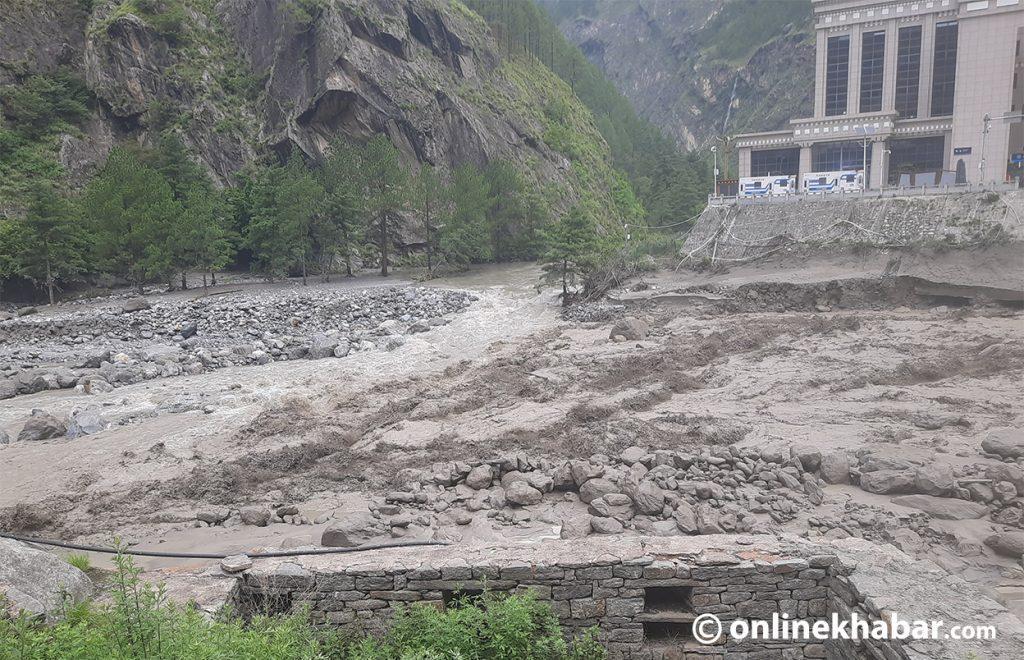
The (Rasuwagadhi) Flood: A Glacial Lake Outburst in Tibet
The July 2025 Rasuwagadhi flood was caused by the sudden breaking of a supraglacial lake about 36 kilometers upstream of the border in the Pyurepu Glacier area of Tibet, at an altitude of 5,150 meters. Satellite images from the European Union’s Sentinel-2 and Zoom.Earth showed that the lake, which began as a small meltwater pond in December 2023, grew rapidly between March and June 2025 due to warmer temperatures and melting permafrost. By July 7, the lake covered 638,000 square meters, but it shrank to 435,000 square meters after breaking on July 8, releasing a massive rush of water and debris down the Bhote Koshi River. The flood’s force increased because there was no heavy rain, making it an unexpected occurrence with no warning.

The Department of Hydrology and Meteorology (DHM) and the International Centre for Integrated Mountain Development (ICIMOD) confirmed that the GLOF caused the flood. They noted that the lack of early warning systems and real-time data-sharing with China limited their preparedness. The floodwaters destroyed the Nepal-China Friendship Bridge (also called the Miteri Bridge), an essential link for trade and tourism. It also damaged the Timure customs office, the Rasuwagadhi Hydropower Project, and a dry port under construction. Several electric vehicles and container trucks at the customs yard were washed away, further disrupting cross-border activities.
Rasuwagahdi Flood’s Impact on Nepal’s Tourism Industry
Rasuwagadhi is a key point for tourists heading to the Langtang region, famous for its scenic treks in the Langtang Valley, diverse wildlife, and cultural Tamang villages. It also serves as a starting point for pilgrims and travelers going to Mt. Kailash and Lhasa through Tibet. The damage to the Friendship Bridge and nearby infrastructure, including roads along the Syabrubesi-Rasuwagadhi route, has halted cross-border travel, severely impacting tourism operators and visitors.
The Langtang Valley, a popular trekking area still recovering from the 2015 earthquake, faces new challenges regarding accessibility. The flood damaged roads and trails, raising concerns about the upcoming trekking season in 2025, especially from September to November. Local tourism businesses, including guesthouses and guiding services, may experience significant losses due to these disruptions. Additionally, the damage to the Rasuwagadhi Hydropower Project and other facilities has led to power outages, complicating tourism operations in the area.
The flood’s timing, right before major festivals like Dashain, has worsened the economic impact. Goods worth billions of rupees, such as electric vehicles, garments, and electronics, were damaged or stranded, affecting trade and logistics linked to tourism. The loss of connectivity with China has disrupted tour operators offering cross-border packages, especially for pilgrims visiting Mt. Kailash, a sacred site for Hindus and Buddhists.
Rasuwagadhi Flood as Indicator of Climate Change and Nepal’s Vulnerability
The Rasuwagadhi flood highlights Nepal’s increasing vulnerability to climate-related disasters. The Hindu Kush Himalayan region, often called the “Third Pole,” is facing rapid glacial retreat due to warming temperatures. Nepal lost 24% of its glacier area between 1977 and 2010, and the number of glacial lakes has risen by 50% worldwide since 1990. ICIMOD identifies 47 high-risk glacial lakes in the region, with 25 in China, posing risks across borders to Nepal. The Rasuwagadhi flood, caused by an unnoticed supraglacial lake, shows the need for better monitoring and early warning systems for such dangers.
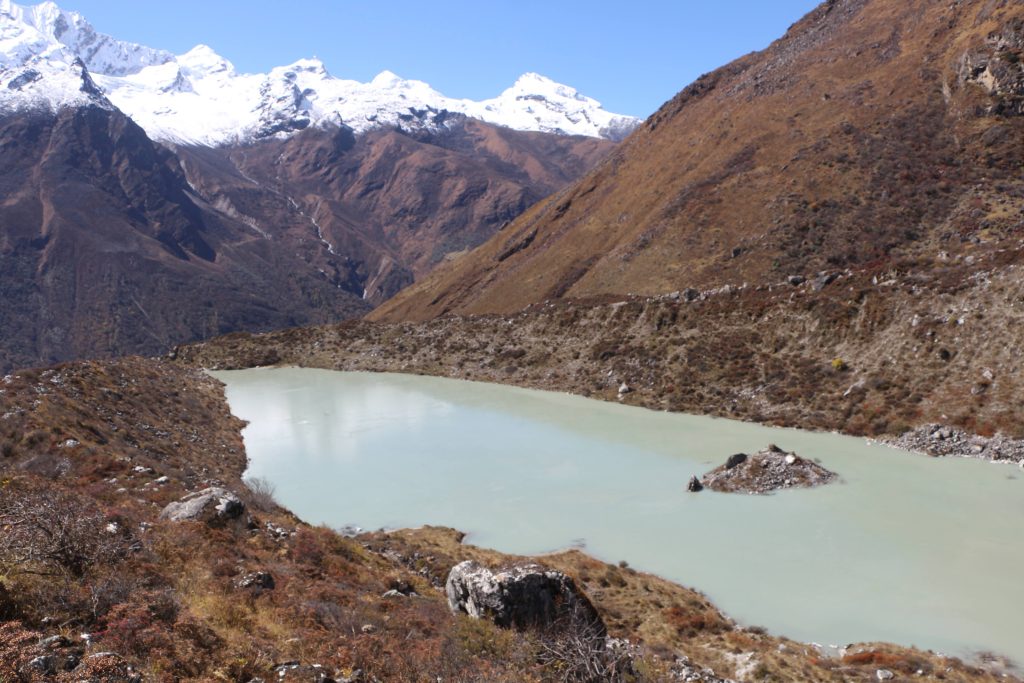
Experts say the increasing number of GLOFs is linked to climate change, which speeds up snowmelt and lake formation. The lack of real-time data-sharing between Nepal and China worsened the disaster’s impact, as Nepali officials were unaware of the flood until it reached Betrawati, the border between Rasuwa and Nuwakot districts. This communication gap underscores the necessity for improved cross-border cooperation to reduce future risks.
Post Raswwagahdi Flood: Recovery Challenges and Outlook for Tourists
Post Raswwagahdi flood, recovery efforts are in progress, with the Nepal Army and police conducting search and rescue missions, evacuating over 150 people, including 127 foreign nationals. However, unstable ground, damaged roads, and disrupted electricity and communication networks are hindering progress. The Rasuwagadhi-Timure area remains isolated, with over 2,000 people facing food shortages. Authorities estimate that fixing the road network could take months, possibly delaying the restarting of tourism activities.
For tourists planning to visit Nepal in 2025, especially to the Langtang region, here are some considerations:
- Monitor Updates: Stay in touch with local tour operators and news sources for real-time information on road and trail conditions in and around Langtang region.
- Alternative Destinations: Explore other trekking areas, such as Annapurna or Everest, which were less impacted by the Rasuwagadhi flood.
- Support Recovery: Help local businesses to support flood-affected communities. Hiring local guides and staying in community-run guesthouses can assist economic recovery in and around Langtang region.
- Safety Precautions: Be careful of unstable ground and possible health risks, such as waterborne diseases, in flood-affected areas. Bring bottled water and follow local health guidelines.
Conclusion: Rasuwagadhi Flood
The July 2025 Rasuwagadhi flood, caused by a glacial lake outburst in Tibet, has significantly harmed Nepal’s tourism industry, especially in the Langtang region and for cross-border tours to Mt. Kailash and Lhasa. The destruction of the Nepal-China Friendship Bridge and vital infrastructure highlights the urgent need for better climate monitoring and cross-border cooperation. As Nepal deals with the aftermath, tourists can play an important role in supporting recovery by visiting unaffected areas and connecting with local communities. Despite these challenges, Nepal’s resilient spirit and breathtaking scenery still make it an attractive destination for travelers.
References
- The Kathmandu Post, “Supraglacial lake outburst in Tibet caused Bhotekoshi flooding,” July 2025.
- The Kathmandu Post, “Flood washes away Nepal-China border bridge at Rasuwagadhi,” July 7, 2025.
- OnlineKhabar, “Rasuwa devastated after floods: Ropes on cliffs, planks across rivers,” July 10, 2025.
- New Spotlight Magazine, “GLOF IS Behind Devastating Flood in Rasuwa: NDRMA,” July 10, 2025.
- The Kathmandu Post, “In the flood’s wake, Rasuwagadhi left in ruins, China trade route cut off,” July 11, 2025.
Recommended Blogs
Quick Contact
Testimonial

Apr 2023 I had an incredible experience trekking to Everest Base Camp with Explore Himalaya. Our guides were absolutely amazing. They provided us with exceptional support and guidance throughout the journey. The porters deserve special recognition too for their hard work and dedication. The entire journey was filled with breathtaking views and unforgettable experiences. From the start until the conclusion , every moment was filled with awe and wonder.I highly recommend Explore Himalaya for anyone seeking an unforgettable trekking experience in the Himalayas. Thank you to all the the staff, for making our journey truly exceptional!
Andrea C

13 Day Manaslu Circuit Trek Nov 2018 We have just returned to Kathmandu after a wonderful trek around the Manaslu circuit, starting in Soti Khola and finishing in Jaget. The trek and transport out and back to Kathmandu were very well organized. Our guide, Bharet Rana was excellent, arranging our tea-house accomodation and meals each day, without hitch. He was always good humoured and provided an interesting commentary on sights along the way.
John Chew

Our Everest Base Camp trek was a wonderful and memorable one. Everything was very well organised. Thank you Explore Himalaya and the staffs for such an excellent service. We were taken care of from the moment we landed in Ktm till the day we left. The Guides and the Porters team of Explore Himalaya are very friendly and helpful. They took care of every little things during our trek. Some walked faster, some slowly and few could not but No one was left behind. They walk with your pace and motivates you until you get up.Anuj Pandey, MD of Explore Himalaya was available 24 hours a day when anybody was in need, he even flew to Namche to check if everything was going well and if everybody was doing good. The Guides Bibek Pandey, Bhuwan Tamang and Ram Rajbhandari along with their 5 Porters were the main pillars who made our mission accomplished.I'd highly recommend anybody who wants to travel to Nepal to contact Explore Himalaya and get themselves spoilt and entertained with their excellent service.
Sujeeta Shahi

Helicopter flight to Everest basecamp Mar 2023 Organized for us a life time experience by helicopter to the base camp. Very well organized and all what has been promised was delivered. Would highly recommend this service.
Stefan M
Recommended On.


Partners


Member Of


Handling Events


Audited By


